Choose with Confidence at Checkout

Today we map a practical flowchart for choosing the best way to pay—cash, debit, credit, or buy now, pay later—based on safety, total cost, rewards, and budgeting alignment. Follow the step-by-step cues, avoid costly traps, and share your experiences so others learn from real decisions.

Start with Intent and Purchase Context

Before tapping or handing over anything, sit with the why, where, and when. Distinguish urgent needs from shiny wants, check return likelihood, and note whether this is online, in-store, recurring, or one-off. Context narrows choices faster than any rate table or perk brochure.

Safety, Protections, and Dispute Support
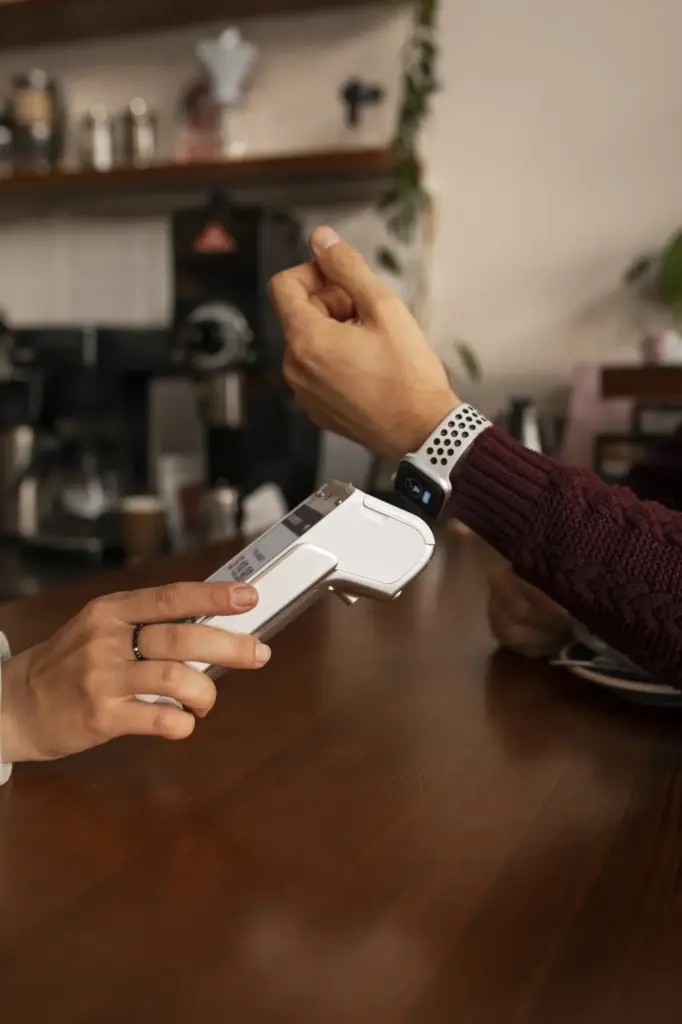
Not all payment rails guard you equally. Cash ends the story immediately, for better and worse. Debit pulls from your real money with limited windows. Credit layers zero-liability policies and chargebacks. Buy now, pay later varies widely. Choose protection proportional to merchant trust and delivery uncertainty.

Consider liability and chargeback strength

Read your issuer’s fine print. Many credit networks offer strong zero-liability and streamlined disputes, while debit claims can freeze funds you actually need. Cash cannot be reversed. When shipping risk or preorders appear, prioritize mechanisms that buy time while evidence and tracking accumulate.

Card network and bank alerts can buy precious time

Enable real-time notifications and location matching. The faster you spot unauthorized attempts, the easier issuers can reverse or block transactions. Pair alerts with temporary card locks and virtual numbers for risky merchants, adding speed bumps for fraudsters without slowing your legitimate checkout rhythm.

Avoid paying to pay: surcharges, cash discounts, and ATM traps

Ask whether the price changes by method. A posted card surcharge or convenience fee might erase rewards entirely, while a modest cash discount can be real savings. Weigh travel distance, ATM costs, and security risks before withdrawing bills merely to capture pennies.

Borrowed time is not free: APR, statement cycles, and grace periods

Credit shines only if you pay in full before interest begins. Understand cutoff dates, due dates, and how partial payments affect new purchases. If carrying a balance, stop chasing points. Choose the lowest-cost route and rebuild habits before reintroducing rewards.

Rewards, Perks, and Opportunity Cost

Perks sweeten plastic, but arithmetic rules. Cashback beats points when redemption is uncertain. Extended warranties and protections matter on electronics, not groceries. Debit rarely competes on benefits, and cash forfeits analytics and insurance. Value upside only after fees, interest risk, and behavior are honestly measured.

Cashback mathematics versus mental accounting

A flat two percent sounds simple until a surcharge cancels it or interest devours it. Compare net benefit after fees and your likelihood of paying in full. Separate rewards from justification stories; rational numbers should outrun emotional narratives every single billing cycle.

Extended warranties, purchase protection, and price adjustments

Certain cards quietly extend manufacturer warranties or refund price drops within windows. Use them on fragile gadgets, appliances, or travel bookings where stakes are real. Keep documentation organized and register serials promptly. Benefits unused are illusions; capture them deliberately or ignore the noise completely.

Foreign travel, lounge perks, and insurance coverage surprises

Abroad, foreign transaction fees can negate rewards, while premium cards waive them and bundle insurance. Some include primary rental coverage and trip delay reimbursement. Confirm benefits before departure, and carry a backup method. The best perk is preparedness that turns disruptions into manageable inconveniences.

Budgeting, Credit Score, and Long‑Term Health

How you pay shapes tomorrow’s options. Credit utilization and on-time history influence rates and approvals. Debit enforces immediacy but risks overdrafts without buffers. Cash builds mindfulness yet loses tracking. Buy now, pay later may or may not report. Choose methods that protect future flexibility by habit.

Utilization and statement timing can nudge your score

Spending early in the cycle can post high balances on statement day, even if you pay right after. Prepay before reporting dates to lower utilization snapshots. One small tweak can translate into better loan offers, lowering lifetime costs more than any coupon.

Automate guardrails without numbing awareness

Set alerts for large charges, low balances, and due dates, then couple them with weekly reviews. Automation prevents disasters, while intentional check-ins keep spending attached to priorities. Use separate accounts for essentials, fun, and savings so every swipe already answers a budgeting question.

Short anecdotes: one late fee, one hard lesson, one better habit

I once paid a streaming bill two days late, sacrificed a signup bonus, and learned to align autopay with payday instead of month-end. Since then, mid-cycle prepayments and calendar nudges protect both score and sanity, turning minor stumbles into lasting systems.

Edge Cases and Special Situations

Some transactions rewrite the usual playbook. Large appliances with delivery delays, medical bills with negotiated plans, rent with convenience fees, and peer-to-peer refunds all behave differently. Confirm refund paths, documentation, and timelines before paying. The exception you anticipate rarely becomes an emergency later.

If safety risk is high and you will pay in full, lean on credit

Steer toward a card with strong protections, virtual numbers, and alerts. Capture rewards only as a side effect of disciplined repayment. Prepay before statement close to keep utilization low, and document everything so any dispute starts organized, calm, and persuasive from day one.

If budgeting discipline is paramount and cost is immediate, choose debit or cash
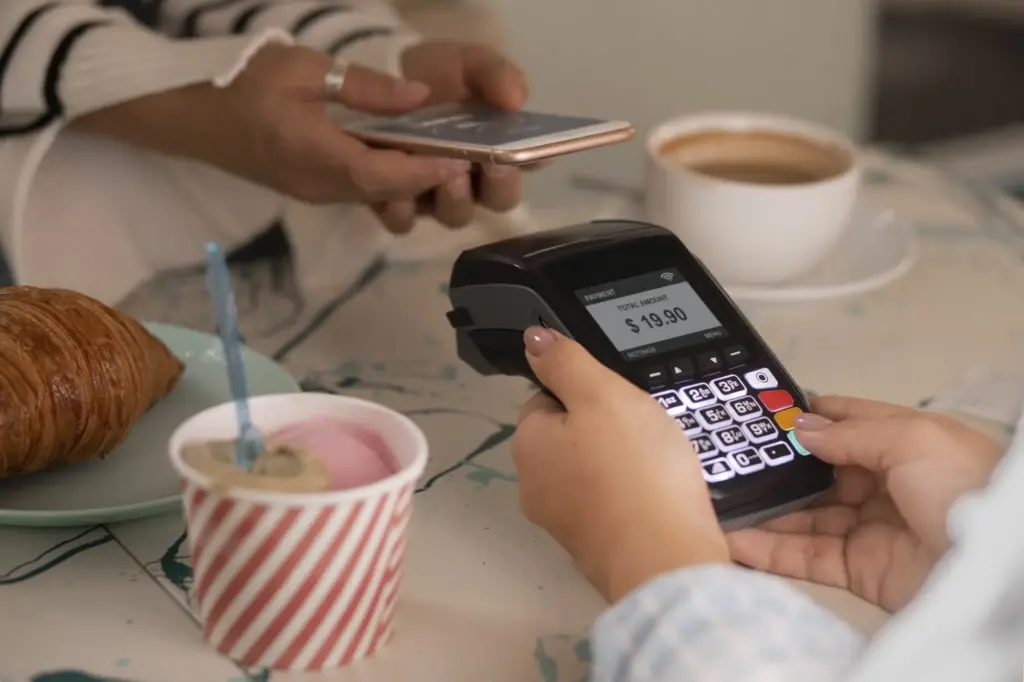
Pick the option that makes overspending harder. Debit limits you to available funds, while cash creates tactile friction that prompts reflection. Track receipts quickly, and avoid merchants likely to mishandle returns. If scarcity is stressful, preset envelopes and low-balance alerts restore control gently.
Vanifexonilomexo
Privacy Overview

This website uses cookies so that we can provide you with the best user experience possible. Cookie information is stored in your browser and performs functions such as recognising you when you return to our website and helping our team to understand which sections of the website you find most interesting and useful.